Office
Keep a conference room comfortable, and know if a sink or water heater starts to leak.
30+ YEARS OF NETWORKING AND IT SECURITY
A door, motion, glass, a leak, smoke and carbon monoxide, or stale indoor air shows up in the same app as your cameras. Trail Cutter Services has 30+ years of networking and IT security experience, and that is the team that installs it.
Kansas City metro, including Liberty, Missouri, and Leavenworth County
Request a Site Survey and Written EstimateTell us which rooms matter. We look at the building, then send a written estimate.
Doors, motion, glass, heat and water, smoke and carbon monoxide, and the air people breathe. Pick the ones you need. They do not cover each other. The battery sensors report to one SuperLink Gateway.
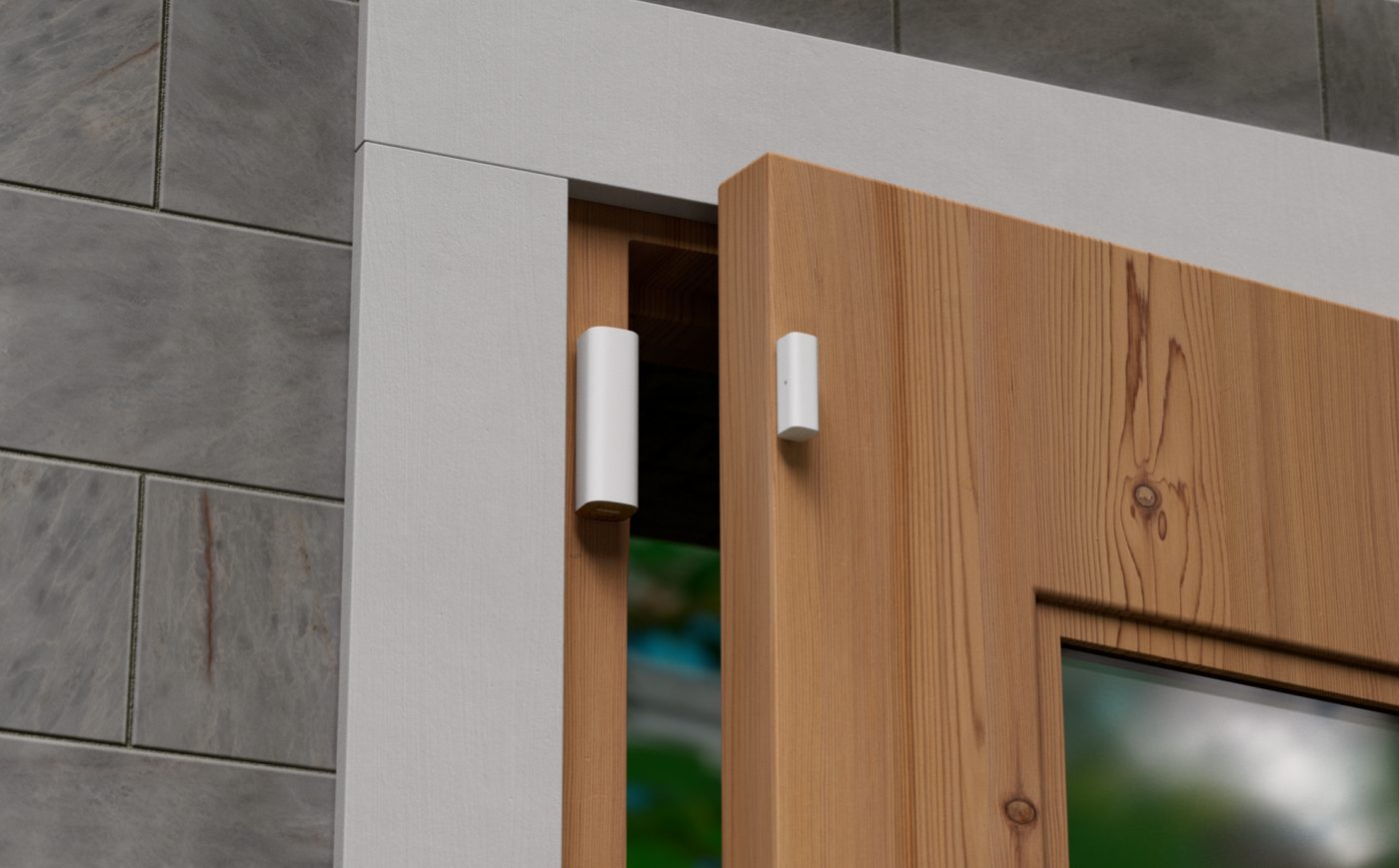
Know when a door or a window opens. The sensor and a small magnet sit on the frame and the door. It runs on a battery. Ubiquiti lists up to 6 years. It reports to a SuperLink Gateway, and it has no ethernet port.

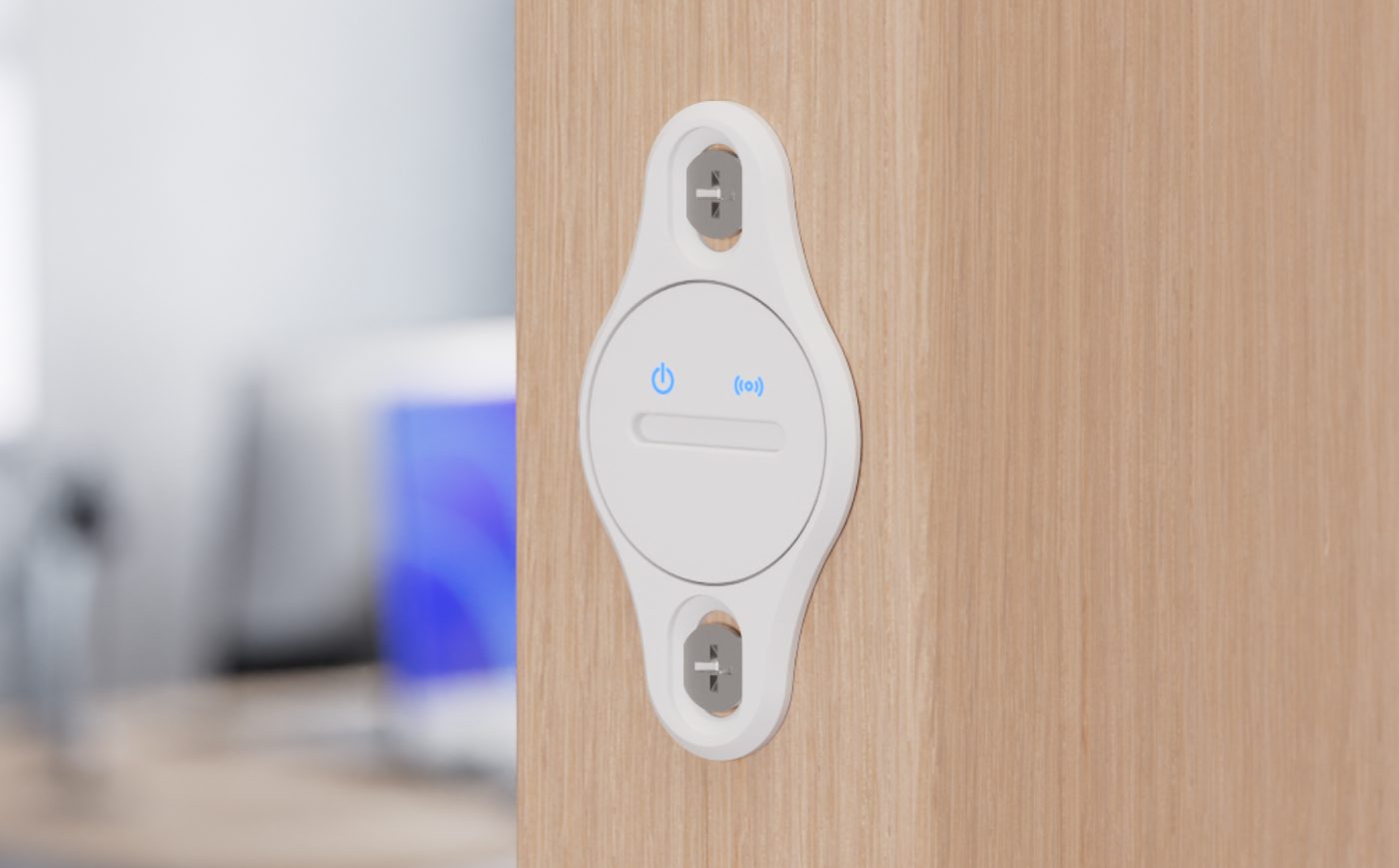
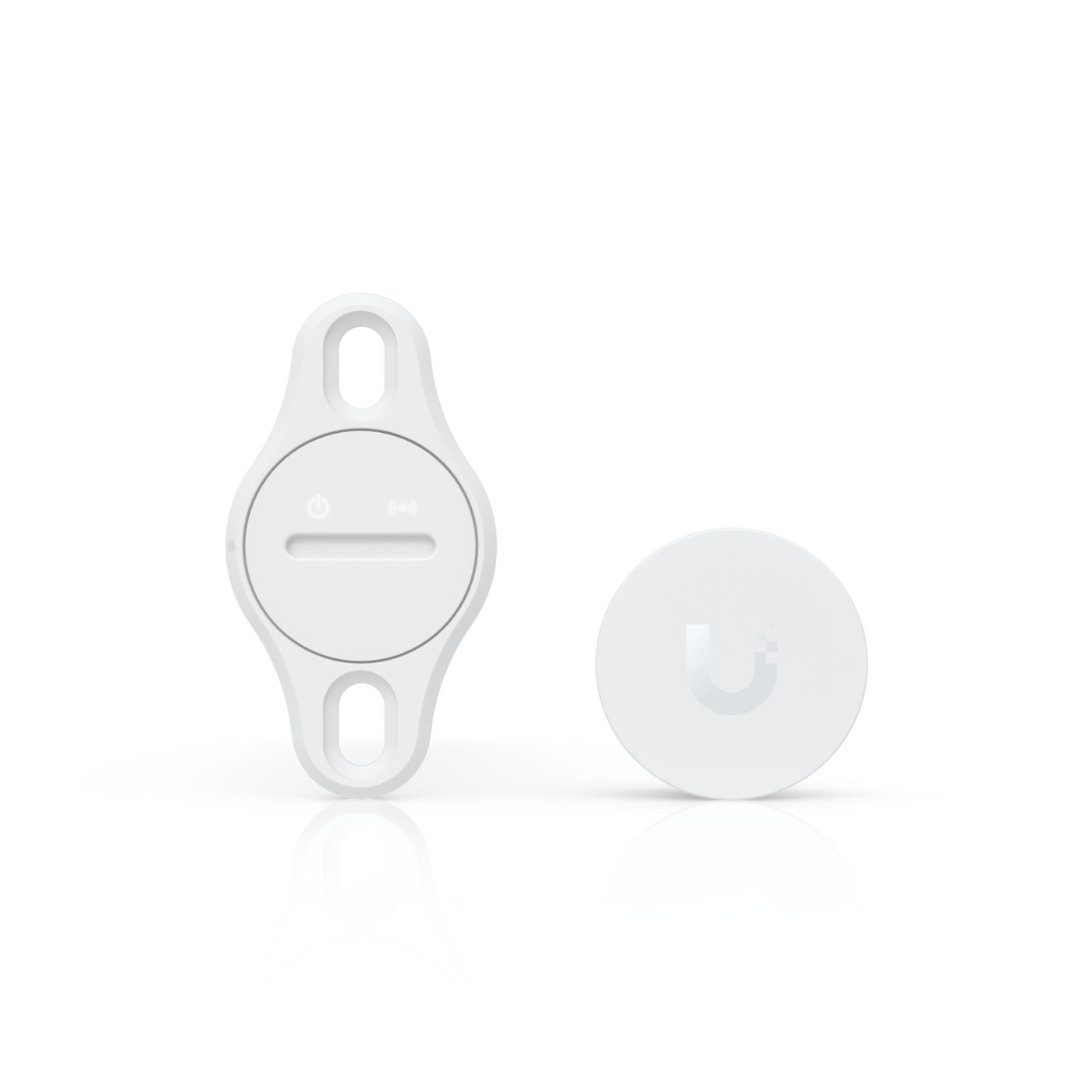
The same open-or-closed reading, set into the door so less of it shows. Ubiquiti lists this one for doors, with up to 3 years of battery life. The magnet has to sit close. Ubiquiti lists a 20 mm gap. It reports to a SuperLink Gateway, and it has no ethernet port.
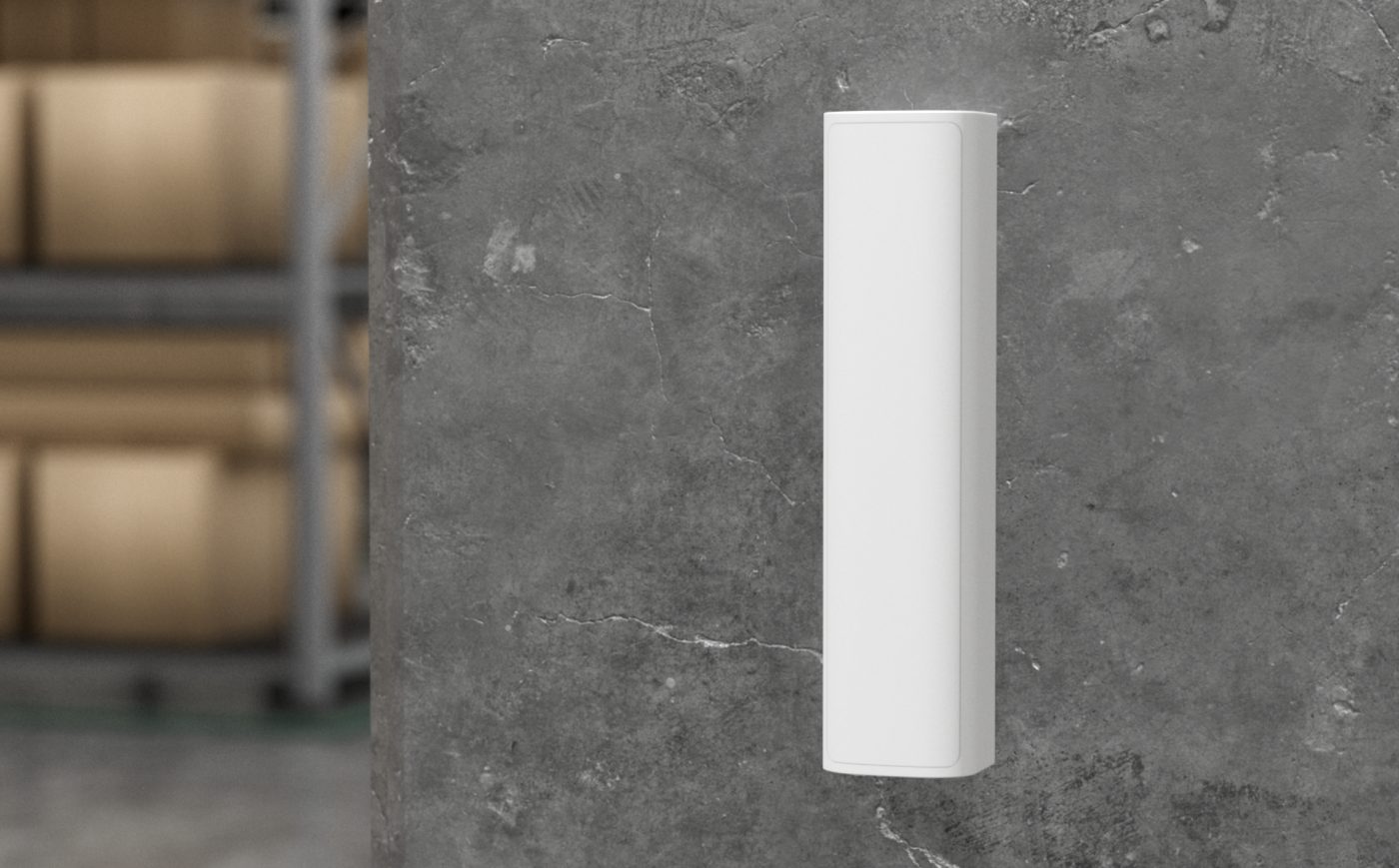
It watches a room for motion. Ubiquiti lists a vertical range up to 6 m with pet immunity, and a horizontal range up to 1.5 m. Those are listed ranges, not a promise for every room. The survey checks the space. It runs on a battery. Ubiquiti lists up to 6 years. It reports to a SuperLink Gateway, and it has no ethernet port.
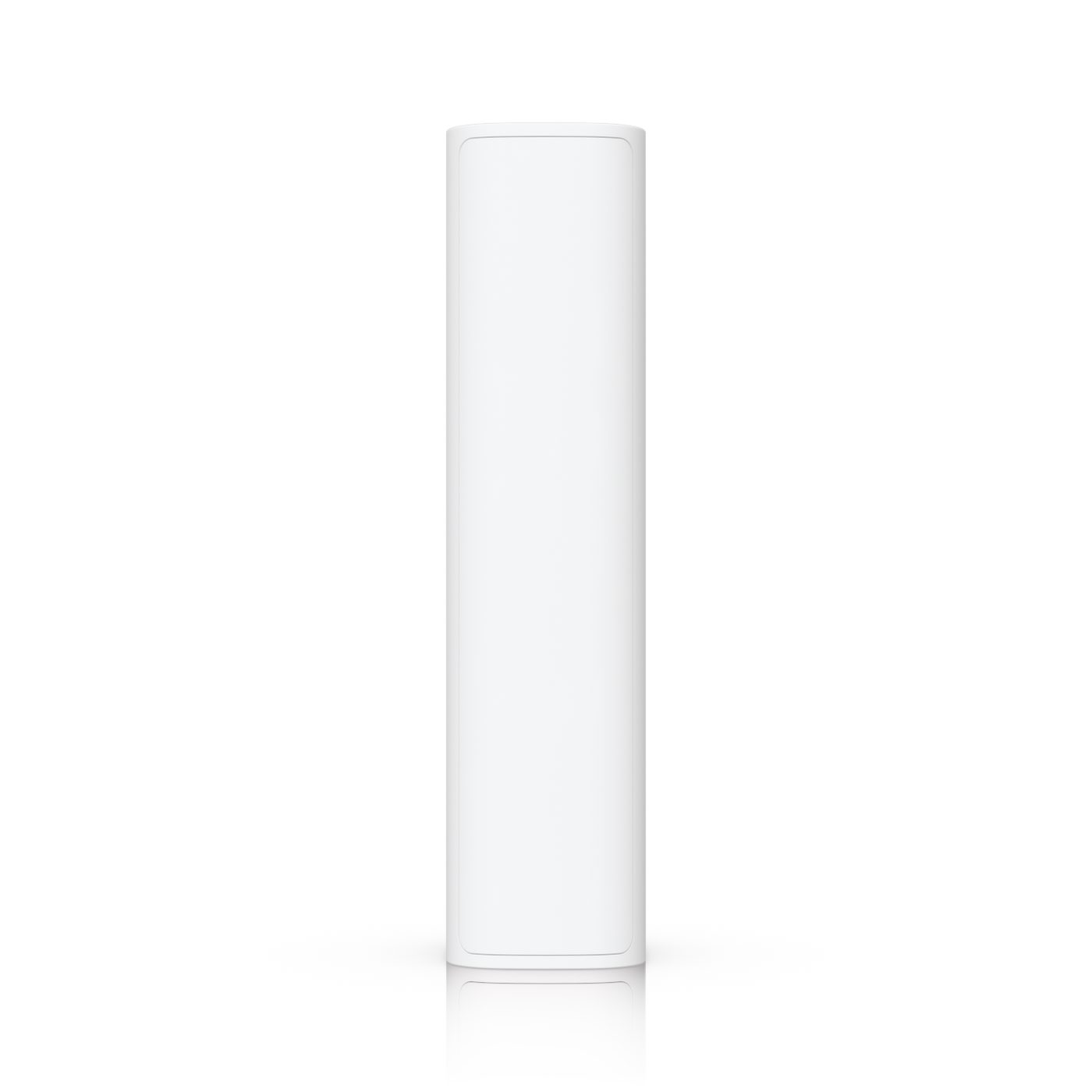
It listens for breaking glass and also senses motion. Ubiquiti lists plate, tempered, obscured, laminated, coated, and wired glass. It runs on a battery. Ubiquiti lists up to 3 years. It reports to a SuperLink Gateway, and it has no ethernet port.
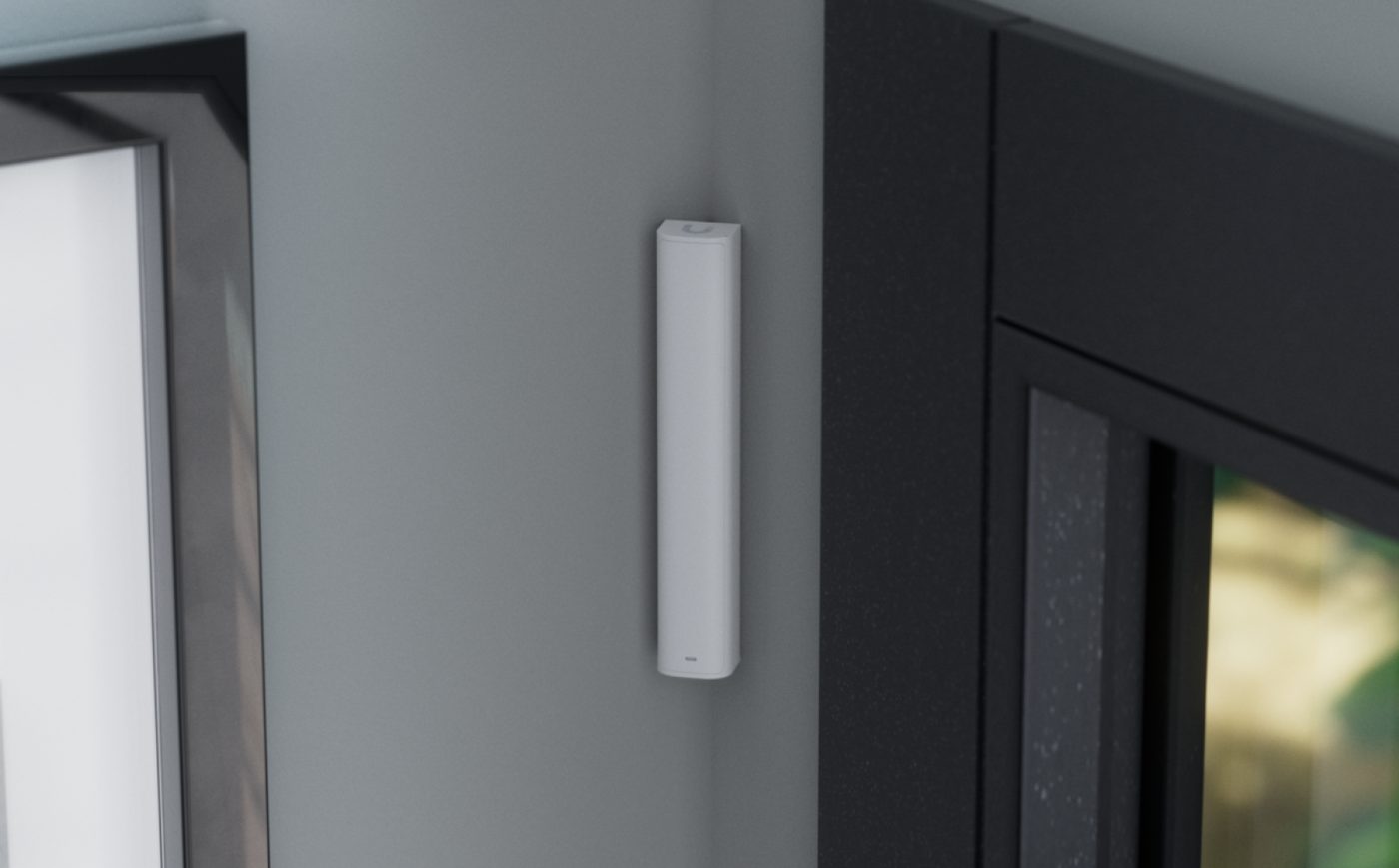
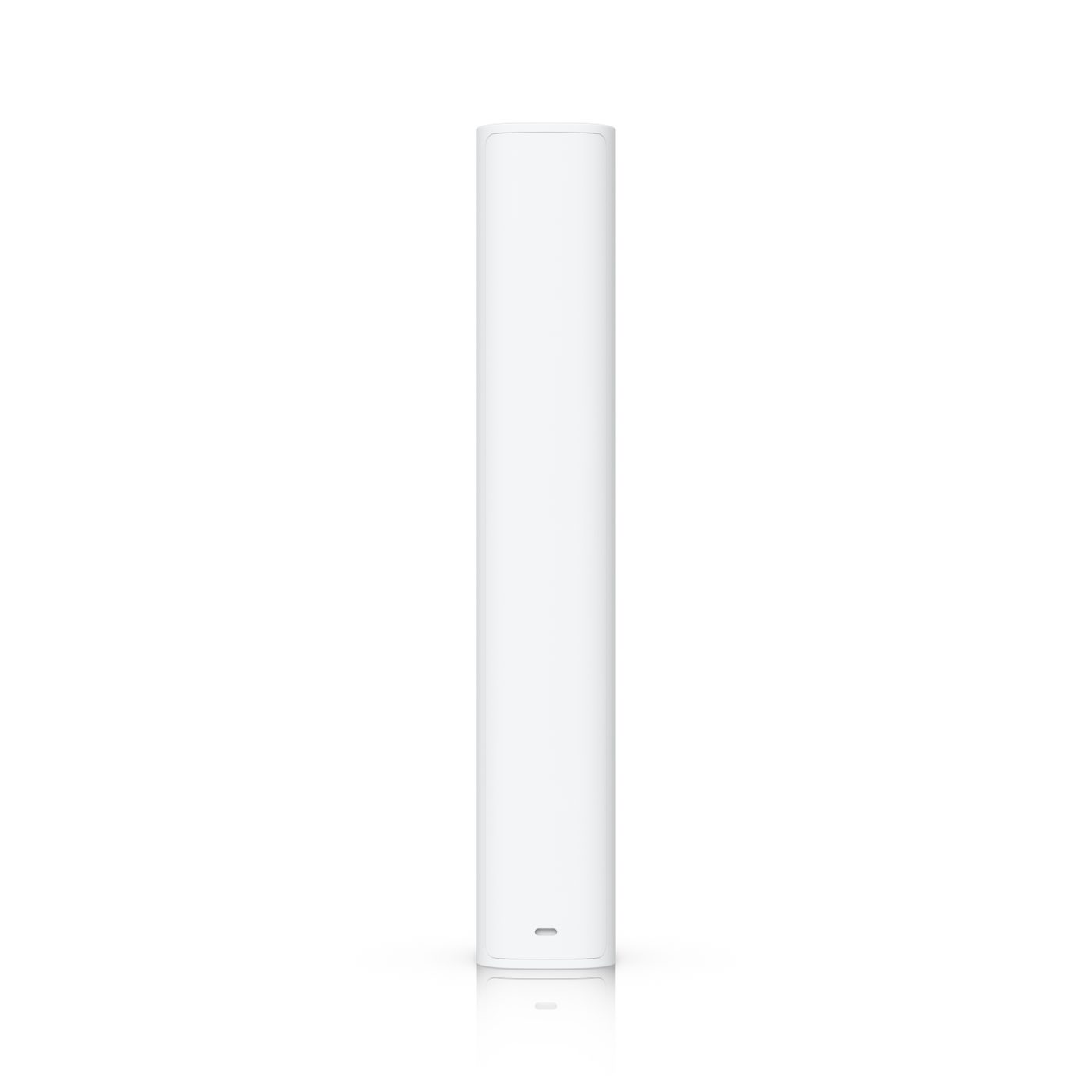
A closet that runs hot, a mechanical room that stays damp, or a leak at a sink, a water heater, or a floor drain. You see it in UniFi Protect, beside the cameras.
The Environmental Sensor is battery powered. Water sensing is on the sensor, and a probe covers a wet spot a short reach away. The sensor itself has no ethernet port. It reports through a SuperLink Gateway.
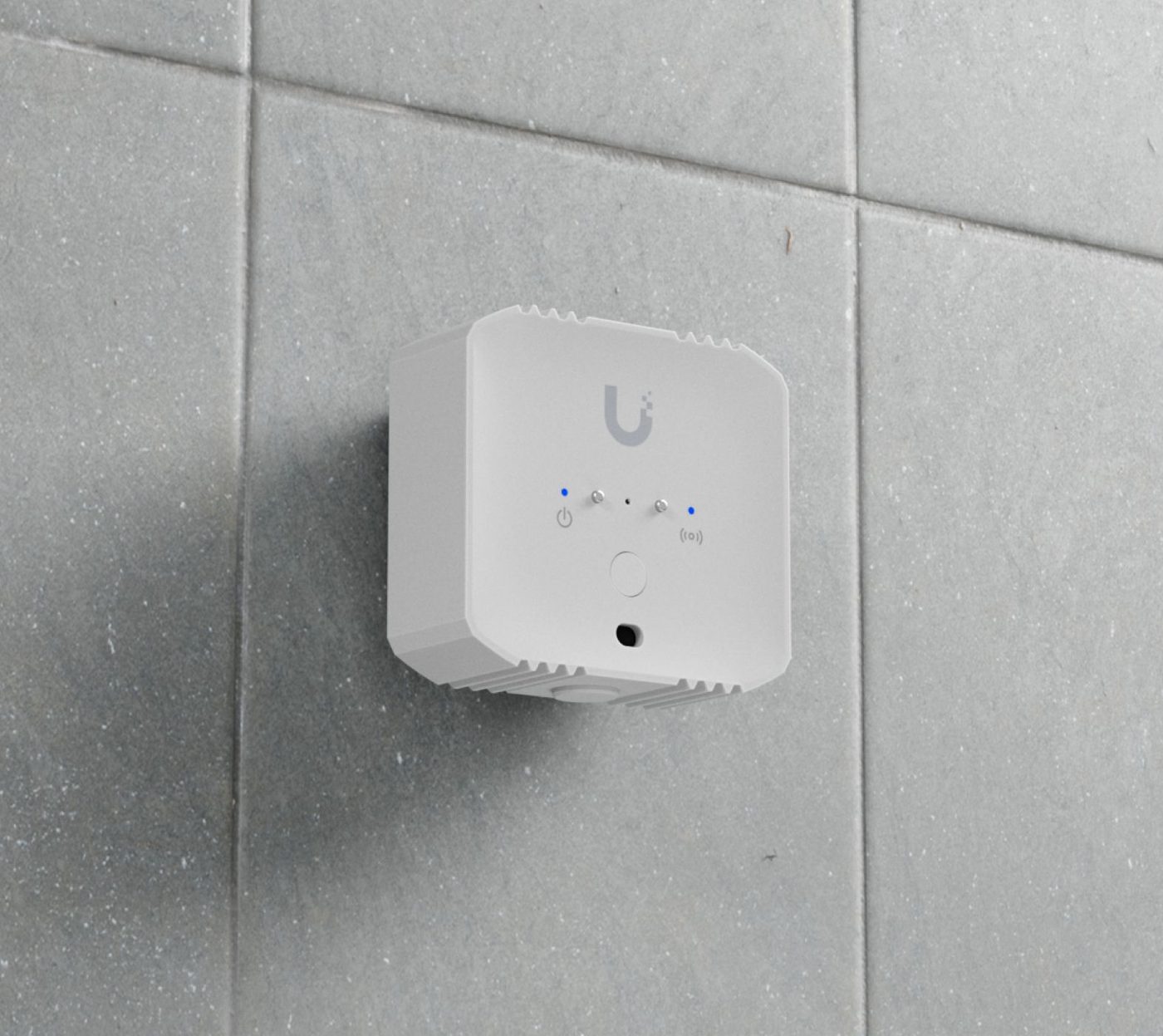
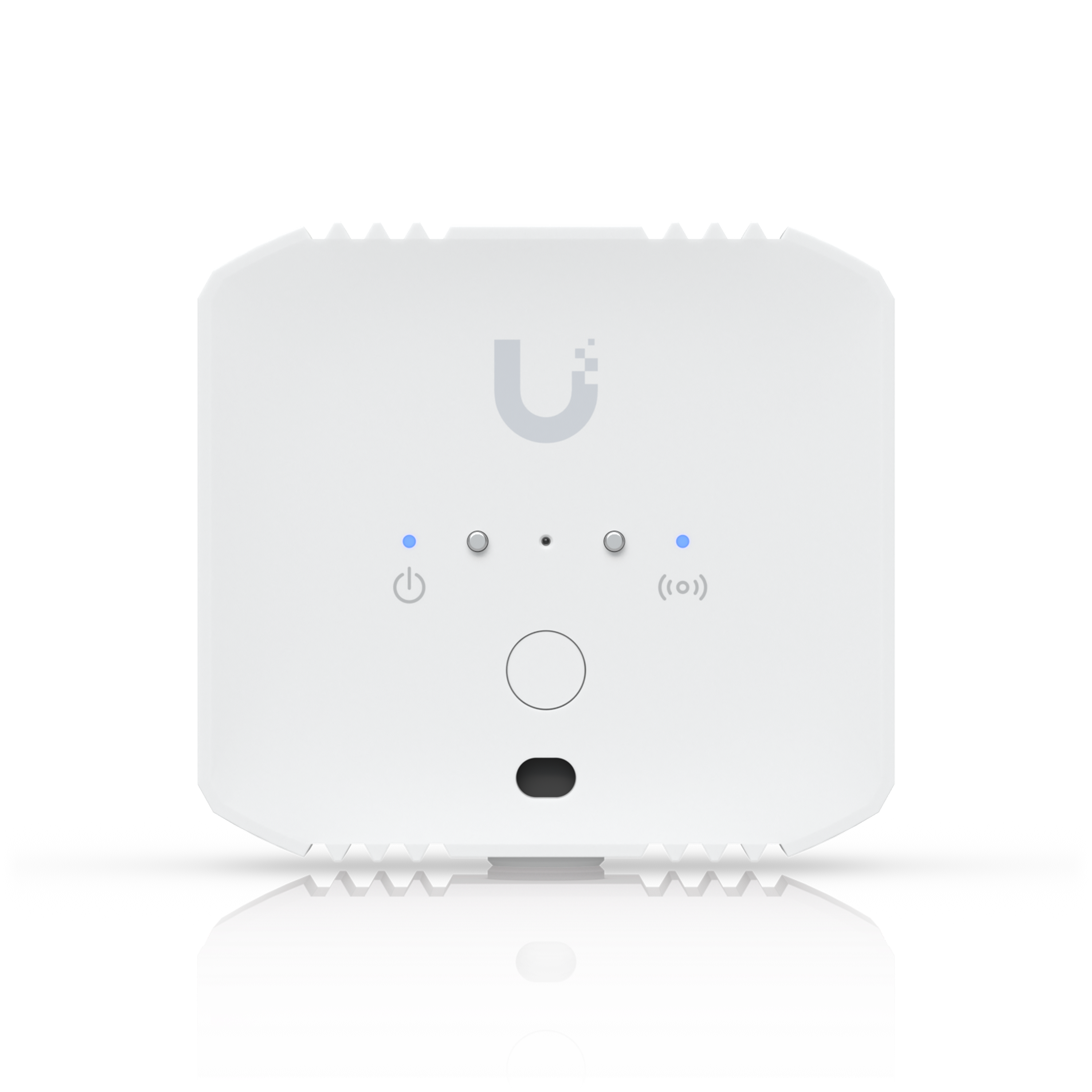
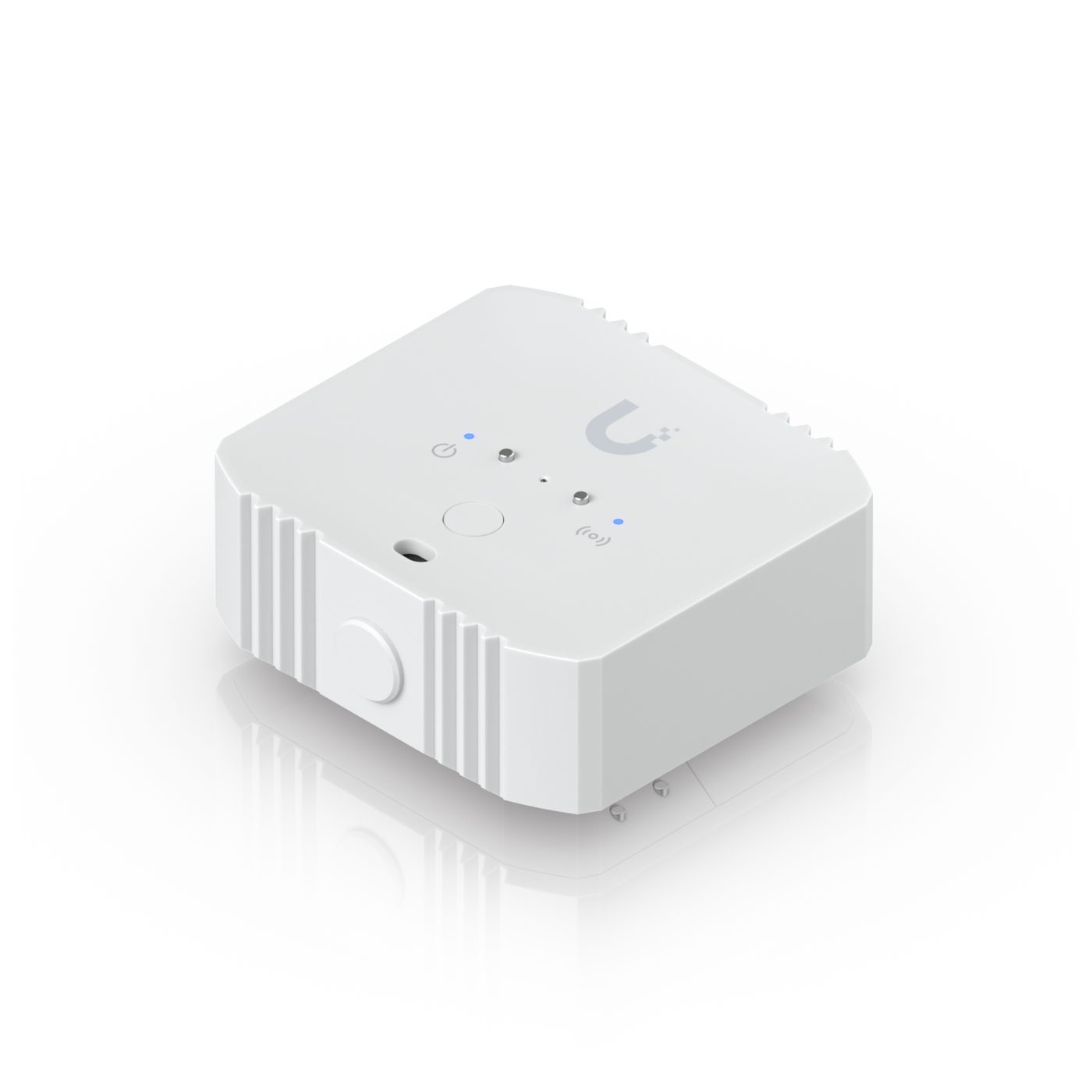
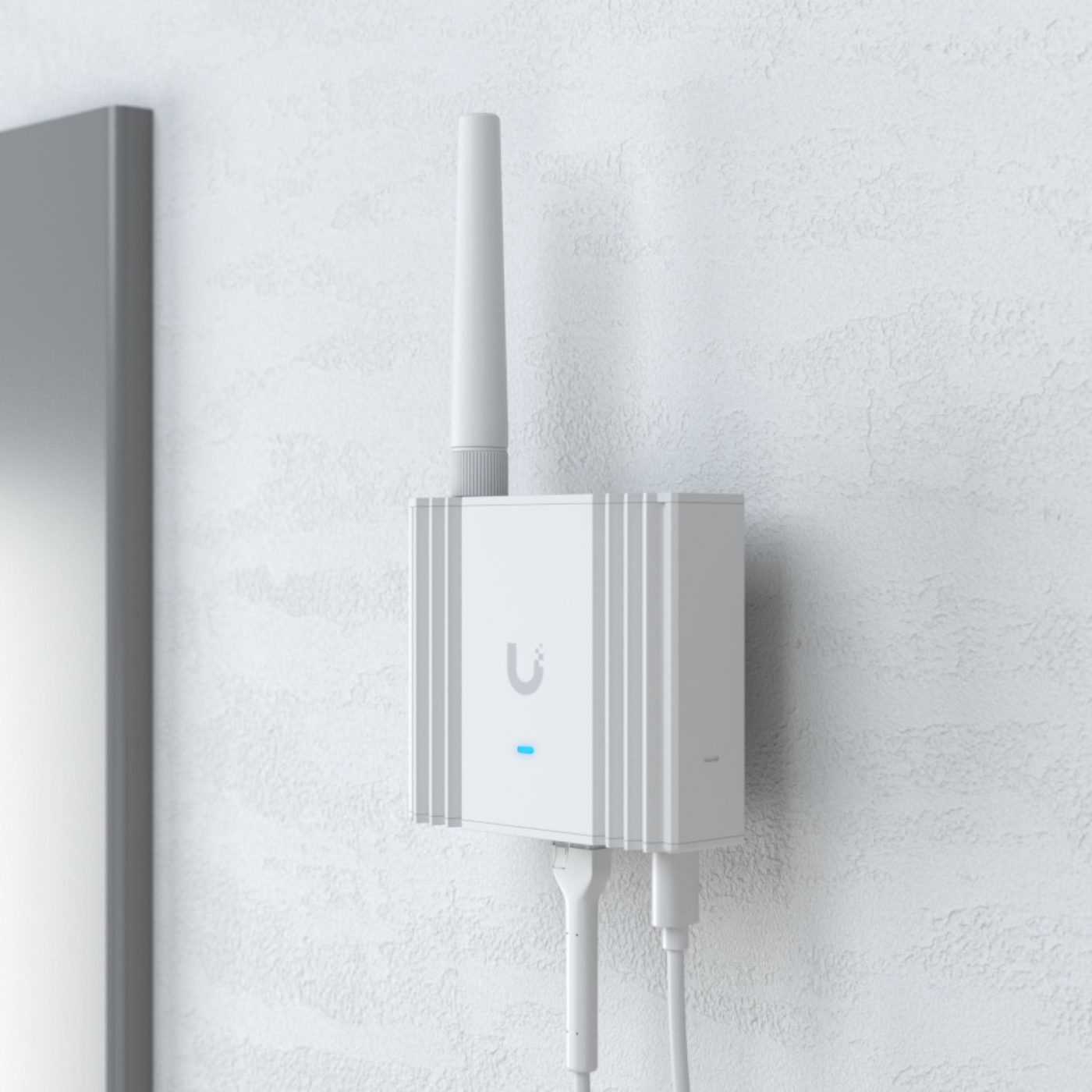
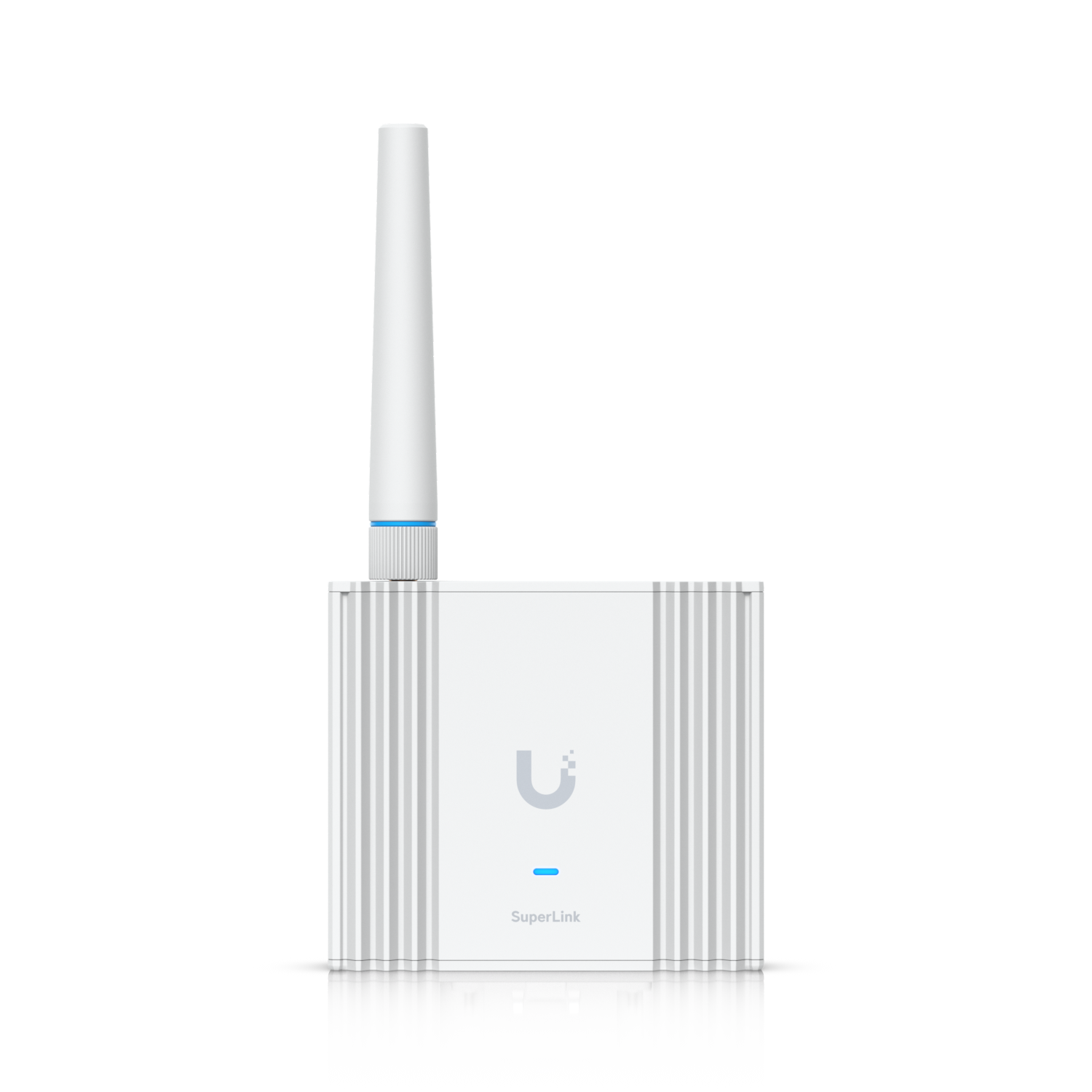
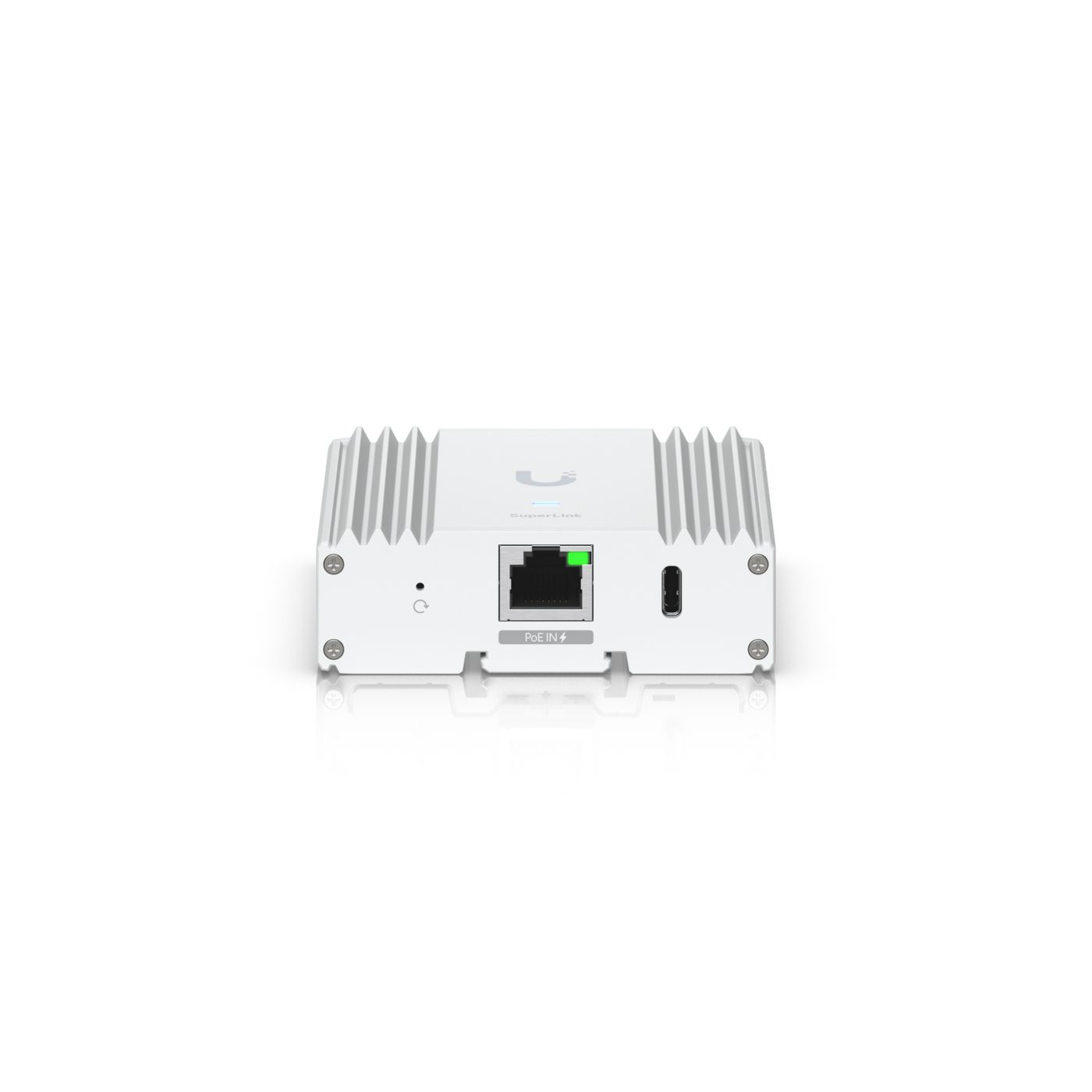
The battery sensors on this page, and the relay, need this gateway. The air-quality sensor does not. The gateway is the piece that uses one PoE ethernet jack. A new jack for that gateway is a cabling quote. Ubiquiti rates the SuperLink radio at up to 2 km in line of sight. That is a radio rating, not a promise through walls. The survey checks your building.
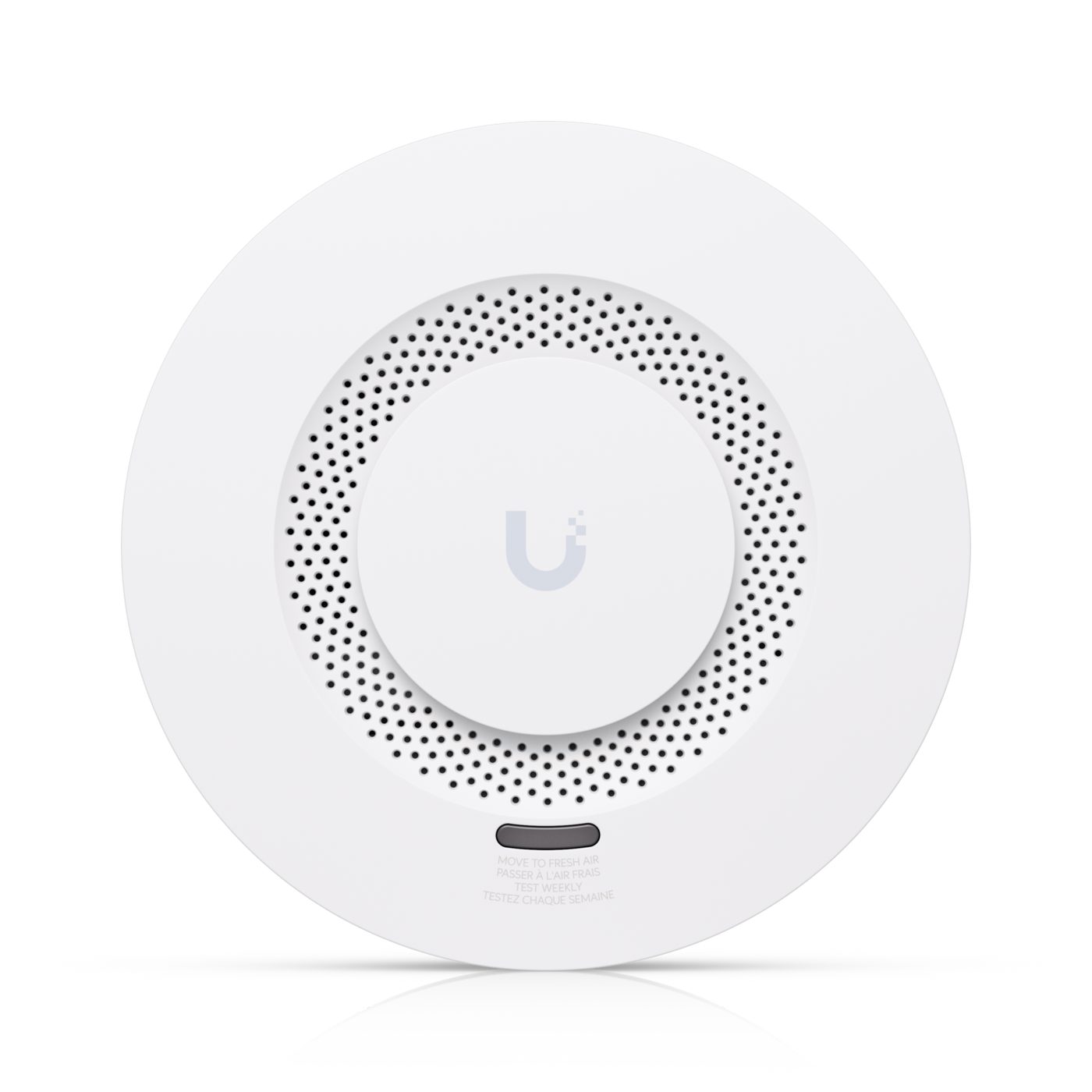
This is the smoke and carbon monoxide alarm. It is a different device from the air-quality sensor. Ubiquiti lists a photoelectric smoke sensor and an electrochemical carbon monoxide sensor, with an alarm sound of 85 dB at 3 m. The listed certifications include UL 217 and UL 2034. Ubiquiti marks it for residential use.
It runs on a battery. Ubiquiti lists up to 10 years. It reports to a SuperLink Gateway, and it has no ethernet port. It is not a monitored central station, and it is not a medical device.
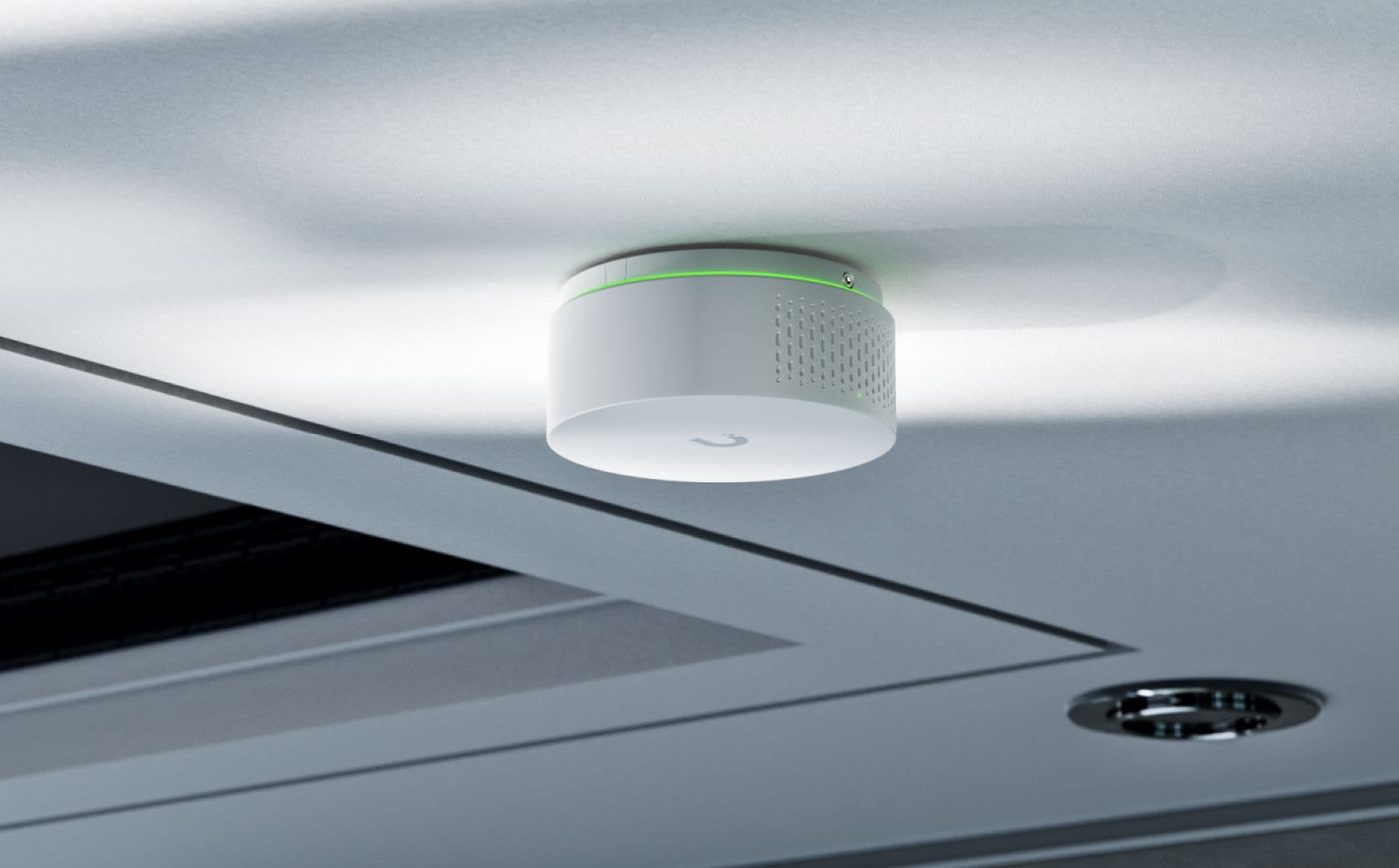
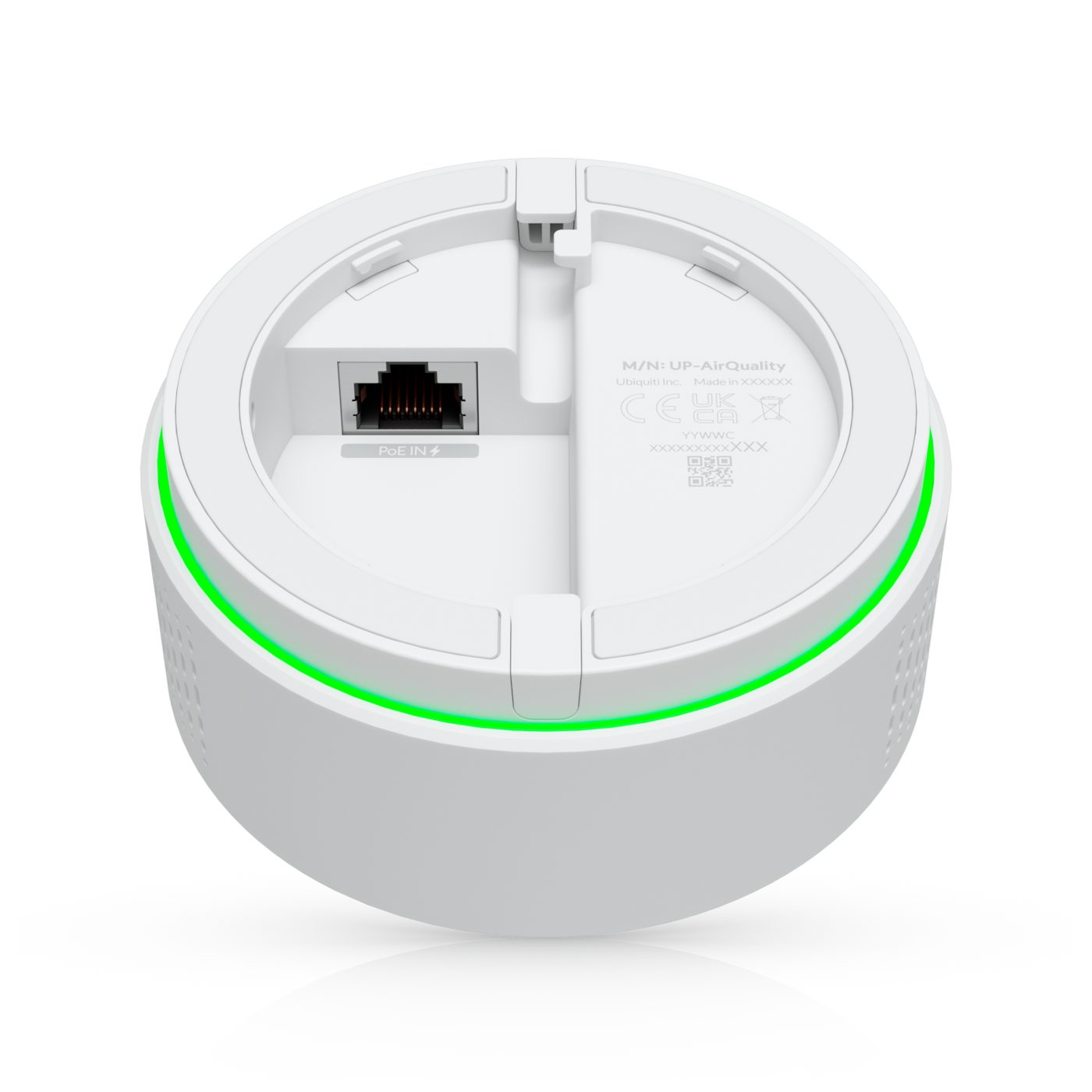
Ubiquiti calls this the Vape Detection and Air Quality Sensor. See carbon dioxide, fine particles, and the air-quality index in the rooms people actually use, along with temperature and humidity.
This sensor plugs into its own PoE jack. It stays indoors, it needs UniFi Protect 7.1 or later, and it does not use the SuperLink Gateway. A new jack is a cabling quote. It can also detect vape. That is an extra reading, not the reason to choose it. Carbon dioxide is not a carbon monoxide alarm, and this sensor does not detect water. Smoke and carbon monoxide are the Smoke and CO Alarm.
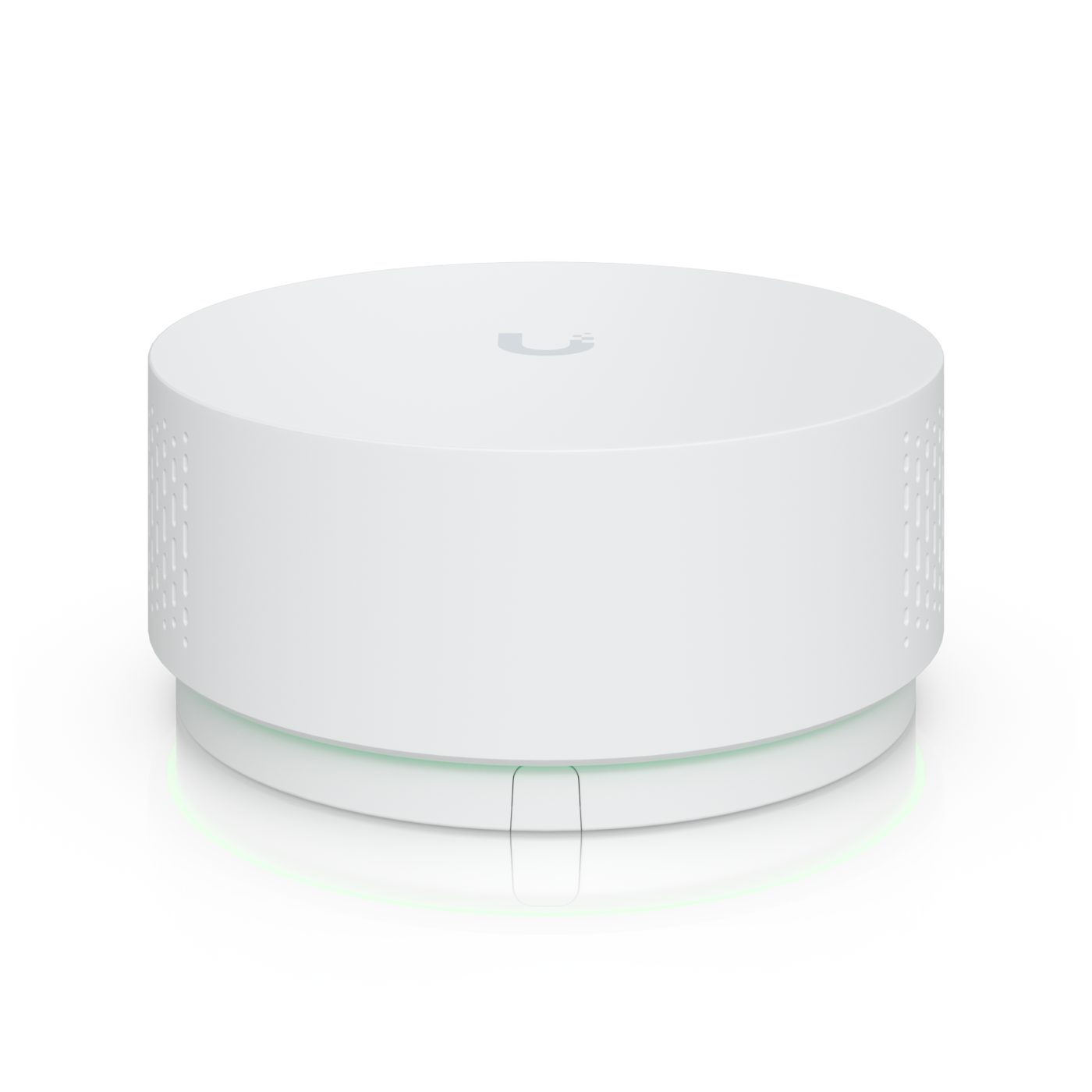
This is not a sensor. It is a SuperLink relay with a dry-contact input and a dry-contact output, so a device you already have can show up in Protect, or Protect can signal that device. Power is 12 to 48 volts DC. It needs a SuperLink Gateway. It does not use an ethernet jack. A new low-voltage run is a cabling quote. The survey names the device it ties to.
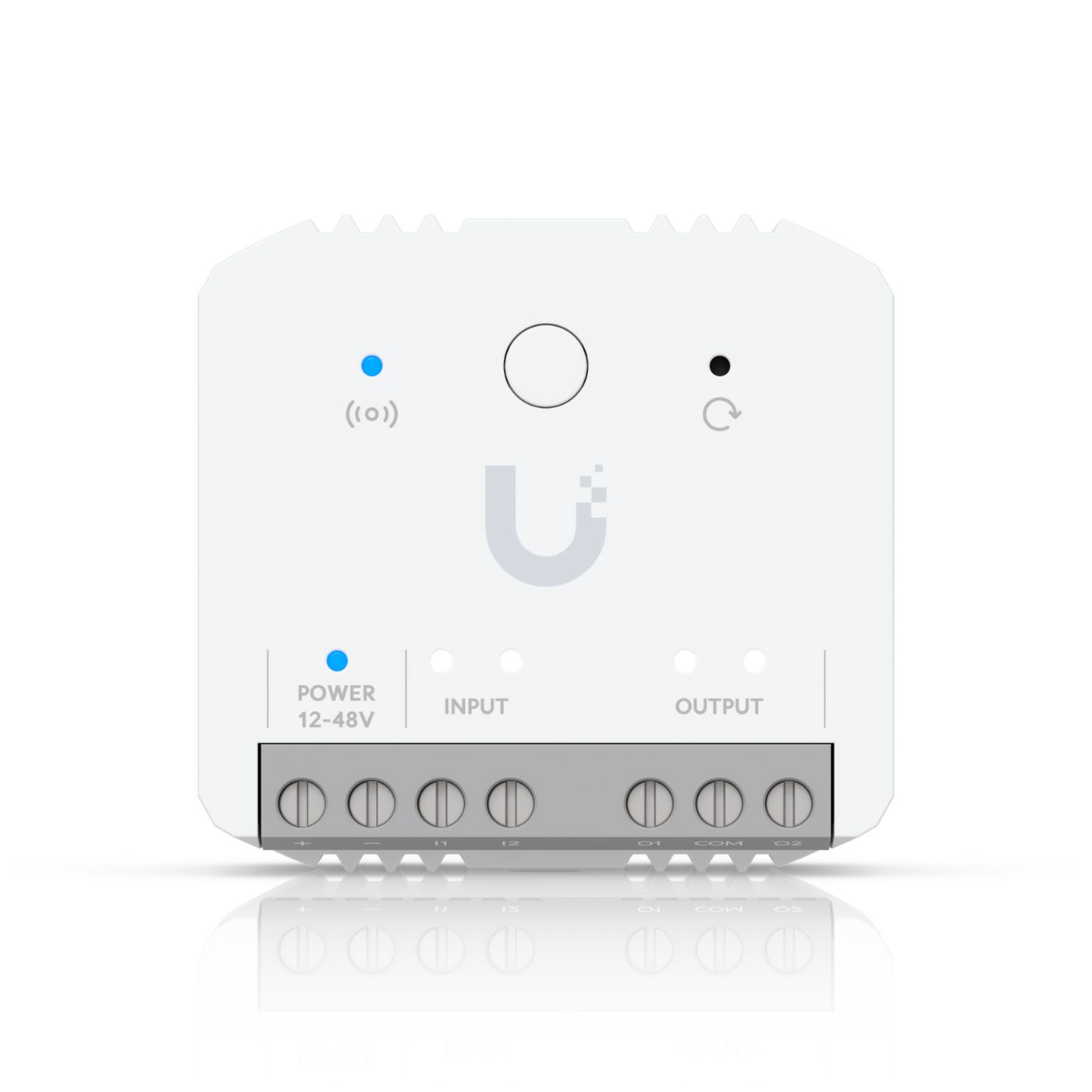
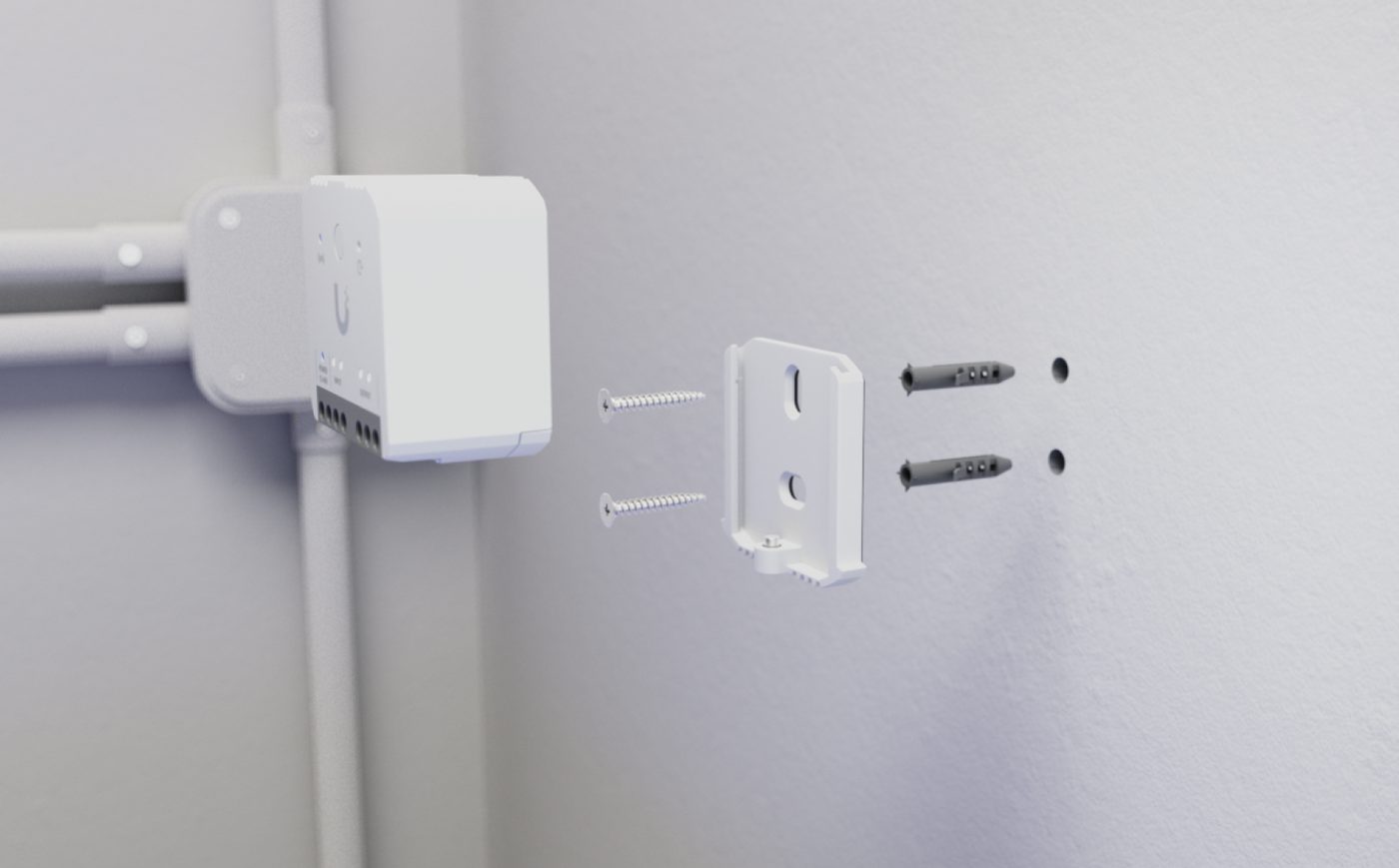
Ubiquiti product images. They show the hardware. They are not photos of a Trail Cutter job.
They show up with your cameras in one Protect app. They are not a monitored central station.
Homes and businesses use the same idea. Watch the rooms that are easy to ignore until something is already wrong.
Keep a conference room comfortable, and know if a sink or water heater starts to leak.
Watch the mechanical room, the closet, and the floor drain that nobody walks past every hour.
Place the gateway and the air-quality jack while the ceiling is open, so the finish stays clean.
Add sensing around a building that is already open. We work with the rooms you use every day.
Sensors cover the Kansas City metro, including Liberty, Missouri, and Leavenworth County. Leavenworth, Lansing, Basehor, and Tonganoxie are in that county. Call so we can confirm your address.
Only if you need every job. Doors, motion, glass, temperature and water, smoke and carbon monoxide, and indoor air are different devices. The air-quality sensor does not detect water, and its carbon dioxide reading is not carbon monoxide.
The battery sensors do not. The Entry Sensor, the recessed entry sensor, the motion sensor, the glass break sensor, the Environmental Sensor, and the Smoke and CO Alarm run on a battery and report to a SuperLink Gateway. The gateway uses one PoE ethernet jack. The air-quality sensor uses its own PoE jack. The relay uses 12 to 48 volts DC, not an ethernet jack. A new jack, or a new low-voltage run for the relay, is part of the cabling quote.
One indoor PoE ethernet jack, and UniFi Protect 7.1 or later. A new jack is part of the cabling quote.
No. Its gas reading is carbon dioxide, which is not a carbon monoxide alarm, and it does not detect water. Smoke and carbon monoxide are the Smoke and CO Alarm, a separate device. Ubiquiti lists that alarm to UL 217 and UL 2034 and marks it for residential use. None of these devices is a monitored central station, and none of them is a medical device.
Ubiquiti rates SuperLink at up to 2 km in line of sight. That is a radio rating, not a promise through walls. The survey checks your building.
We walk the rooms and send a written estimate. There is no public sensor price.
Tell us which doors and rooms matter. We visit the building and send a written estimate.